



15 Nov Strength Training for Triathletes: The 4 Movement Patterns Your Off-Season Plan Should Address
Why Strength Training Is Essential for Triathletes in the Off-Season
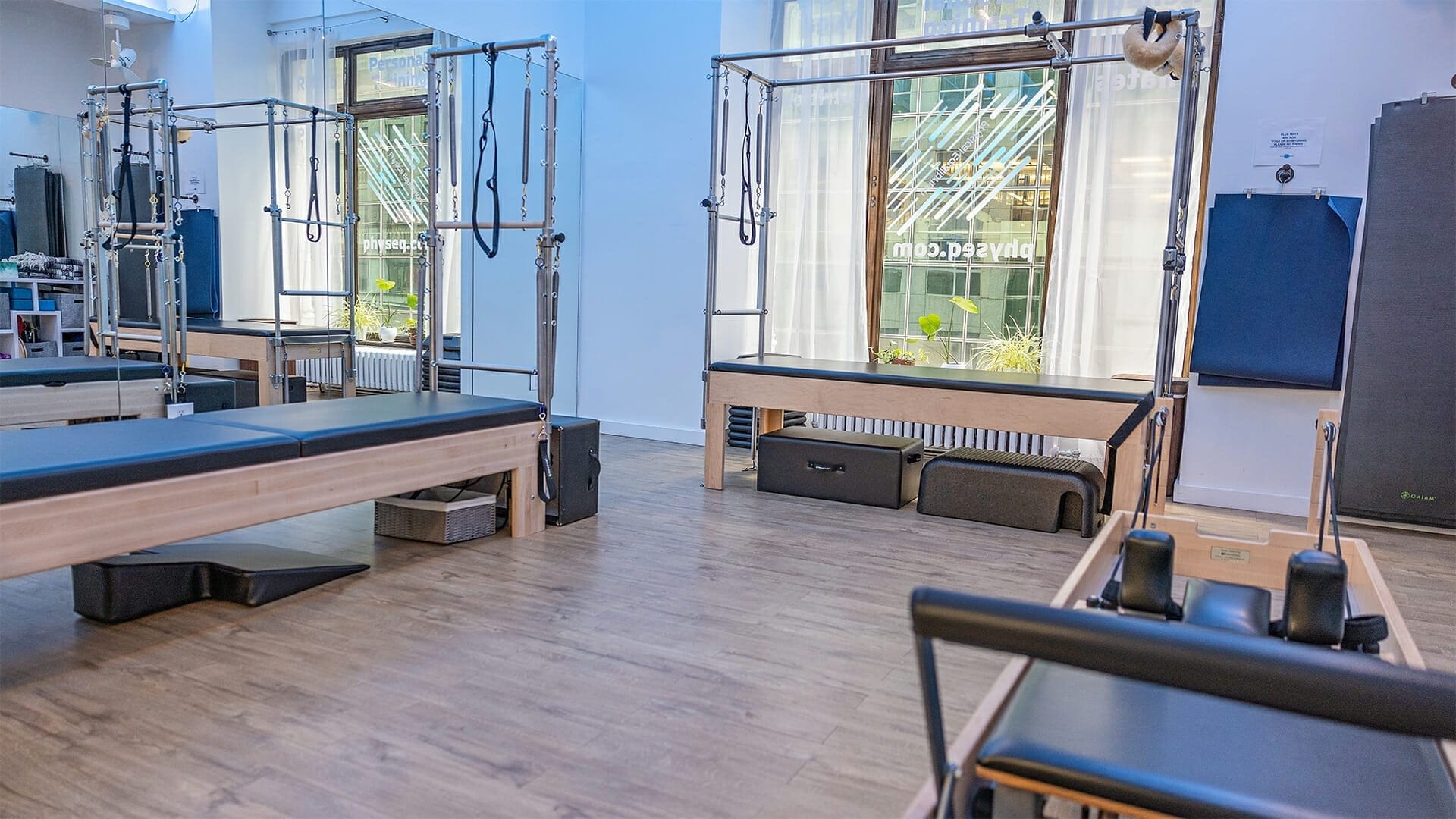
Whether you’re a seasoned triathlete or aspiring to complete your first race, the off-season is a critical window to focus on targeted strength training. Integrating a well-designed strength program can address imbalances, build resilience, and lay the groundwork for strong performances when race day arrives. At Physical Equilibrium — the leading rehabilitation and wellness center on Madison Avenue in Midtown Manhattan — our 1 on 1 private personal training takes a science-driven approach to help triathletes optimize every facet of their movement and strength.
The Four Fundamental Movement Patterns Every Triathlete Should Train
Endurance athletes often encounter repetitive stress on the same muscle groups, which can lead to overuse injuries and performance plateaus. To counteract this, your strength training plan should address these four foundational movement patterns:
- Push
- Pull
- Hinge
- Squat
Each pattern targets specific muscle groups and movement mechanics that are crucial for swimming, cycling, and running. Here’s why they matter and how to incorporate them:
1. Push Movements
Push movements engage the chest, shoulders, and triceps, which are essential for powerful swim strokes and efficient upper body mechanics. Examples include push-ups, overhead presses, and variations using resistance bands or free weights. These exercises also reinforce core stability, integral for maintaining proper posture during long training sessions.
2. Pull Movements
Pull exercises focus on the upper back, lats, and biceps. Strengthening these areas improves posture, shoulder health, and the ability to generate force during swimming and cycling. Movements like rows, pull-ups, and face pulls can help balance the demands of triathlon training and reduce the risk of shoulder overuse injuries.
3. Hinge Movements
The hinge pattern, most commonly trained with deadlifts and hip thrusts, targets the posterior chain — glutes, hamstrings, and lower back. These muscles are vital for powerful running strides and efficient cycling mechanics. Proper hinge work builds explosive power and protects the lower back from fatigue-related breakdowns.
4. Squat Movements
Squatting is foundational for lower-body strength, stability, and athletic performance. Variations such as goblet squats, split squats, and single-leg squats develop quads, glutes, and hip stabilizers. Building strength here can improve running economy and reduce the likelihood of common injuries such as knee pain, particularly during high-volume run blocks.
Benefits of a Balanced, Individualized Strength Plan
- Injury Prevention: A program designed around these movement patterns addresses muscular imbalances and joint weaknesses, decreasing your risk of overuse injuries.
- Performance Enhancement: Increased strength translates into more efficient swim strokes, stronger pedal strokes, and improved run mechanics.
- Whole-Body Resilience: Training all four patterns supports better posture, movement quality, and overall athleticism, which pays dividends both in training and competition.
- Personalized Progression: Working with a one-on-one coach, like those at Physical Equilibrium, ensures your plan is tailored to your unique biomechanics and endurance goals.
Why Choose 1 on 1 Private Personal Training at Physical Equilibrium?
Located in the heart of Midtown Manhattan at 515 Madison Ave, Physical Equilibrium is recognized for its individualized, client-centered approach. Our expert trainers and therapists have extensive experience supporting endurance athletes, from recreational runners to elite triathletes.
- Comprehensive Assessments: Every client receives a thorough movement and strength evaluation to identify opportunities for improvement.
- Customized Off-Season Plans: Training programs are built specifically for your athletic profile — no generic templates.
- Integrated Care: Our facility provides seamless access to wellness, movement assessment, and performance services, all under one roof.
- Convenient Midtown Location: Serving Manhattan, Midtown East, Upper East Side, Sutton Place, and the greater NYC area, our Madison Avenue clinic is easily accessible for both local residents and commuters.
Who Will Benefit Most?
Our tailored approach is ideal for:
- Triathletes preparing for the upcoming race season
- Endurance athletes seeking structured off-season strength development
- Anyone aiming to address past injuries or prevent new ones
- Individuals wanting a 1 on 1 private personal training experience in Manhattan
Get Started: Book Your Private Strength Assessment
Ready to elevate your off-season and unlock new performance gains? Physical Equilibrium offers individualized strength assessments and custom training plans designed specifically for triathletes and endurance athletes.
Get a private strength assessment and a custom off-season plan designed around your endurance goals.
Prefer to speak directly? Call us at +1 (917) 873 6100 or visit us at the DuMont Building, 515 Madison Ave, 5th Floor, New York, NY 10022.
Serving Manhattan and Beyond
Physical Equilibrium proudly supports athletes, professionals, and active adults throughout Midtown Manhattan, Midtown East, Upper East Side, Sutton Place, Murray Hill, Grand Central area, and the greater NYC metro. We also welcome clients from nearby areas such as Long Island City, Brooklyn, Jersey City, Hoboken, and Yonkers.
Visit physeq.com to explore our full range of rehabilitation and wellness services.