



25 Nov Can Small Group Weight Lift Club Support Endurance Athletes? A Coach’s Framework
How Small Group Weight Lift Clubs Enhance Endurance Athlete Performance
Endurance athletes are continually searching for new ways to boost performance, increase resilience, and reduce the risk of injury. In dynamic urban environments like Midtown Manhattan, resources such as small group weight lift clubs have become a strategic choice for runners, cyclists, triathletes, and other endurance specialists. But how exactly can these clubs support endurance athletes, and how does a coach’s perspective shape their integration into a training regimen?
The Value Proposition of Small Group Weight Lift Clubs
Small group weight lift clubs offer a unique environment where athletes:
- Train under the supervision of qualified coaches
- Benefit from peer motivation and camaraderie
- Access structured, progressive strength programs
- Receive feedback tailored to individual biomechanics and movement patterns
For endurance athletes, these clubs provide an opportunity to build foundational strength, address muscular imbalances, and improve movement efficiency—all without the intimidation or monotony of solo gym sessions.
Why Strength Training Matters for Endurance Athletes
Incorporating strength work has been shown to enhance:
- Running economy and movement efficiency
- Muscular endurance and fatigue resistance
- Injury prevention through improved joint stability
- Power output for sprints, hills, or finishing kicks
A well-designed strength program, such as those offered in small group settings, supports these adaptations while maintaining the primary focus on endurance.
A Coach’s Framework: Integrating Weight Lift Clubs with Endurance Training
For optimal results, coaches at performance and wellness centers like Physical Equilibrium in Midtown Manhattan recommend a phased approach:
- Assessment: Identify movement patterns, imbalances, and performance goals.
- Programming: Develop a strength plan that complements volume and intensity of endurance training.
- Progression: Gradually increase load and complexity, focusing on multi-joint, functional exercises.
- Integration: Schedule lifting sessions to maximize performance gains without compromising recovery or key workouts.
- Monitoring: Adjust based on feedback, fatigue, and in-session performance.
At Physical Equilibrium, clients benefit from individualized attention and expertise in performance support, making it an ideal resource for athletes looking to blend strength with endurance.
Benefits of Small Group Settings Over Solo Training
- Accountability: Scheduled sessions and group dynamics help maintain consistency.
- Personalized coaching: Coaches can tailor cues and progressions to each athlete’s needs.
- Motivation: Working alongside peers fosters a positive, competitive atmosphere.
- Injury prevention: Supervised technique reduces the risk of improper loading or movement errors.
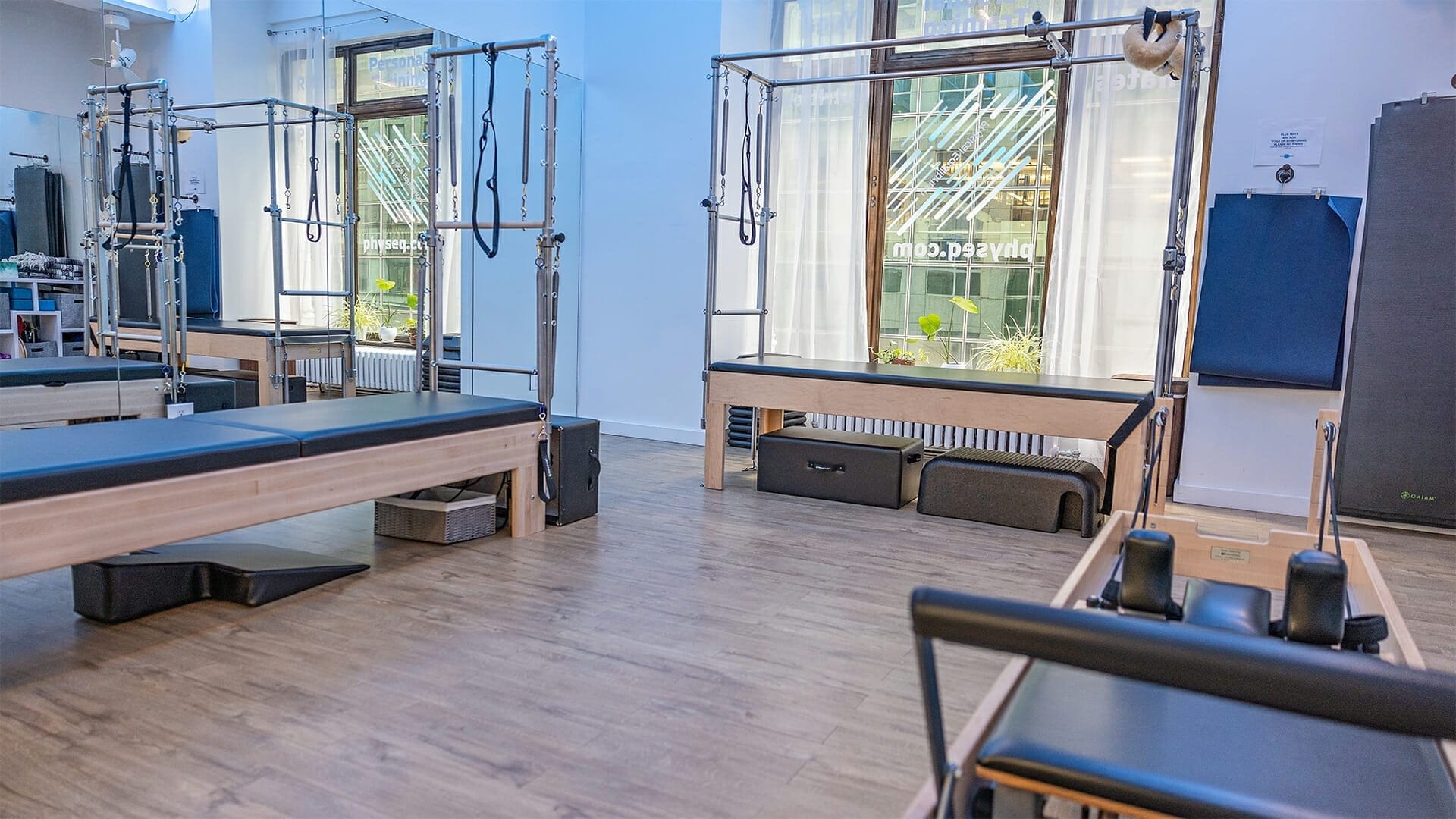
Physical Equilibrium’s performance training environment at 515 Madison Ave in the DuMont Building is well-suited for busy professionals and athletes from across Manhattan, the Upper East Side, Sutton Place, and nearby areas.
Key Considerations for Endurance Athletes Joining a Weight Lift Club
- Training balance: Lifting programs should align with race schedules and overall training load.
- Recovery: Adequate rest is essential to maximize adaptation and avoid overtraining.
- Communication: Regular updates between coach, athlete, and other care providers ensure cohesive progress.
- Individualization: Not all endurance athletes need the same strength plan; customization is key.
Physical Equilibrium: Supporting NYC’s Endurance Community
Located in the heart of Midtown Manhattan, Physical Equilibrium delivers integrated care for athletes and active adults. The clinic’s expertise in sports rehabilitation, movement assessment, and performance optimization is especially relevant for those seeking to maximize endurance capacity while minimizing injury risk.
Clients at Physical Equilibrium benefit from:
- Expert movement and strength assessments
- Performance-focused training and coaching
- Individualized, evidence-based program development
- Comprehensive support for functional and athletic goals
The convenient Madison Avenue location makes Physical Equilibrium easily accessible for office professionals, Manhattan residents, and athletes traveling from nearby neighborhoods like Murray Hill, Grand Central, and the Upper East Side.
Contact Physical Equilibrium
Physical Equilibrium
DuMont Building, 515 Madison Ave, 5th Floor
New York, NY 10022
Phone: +1 (917) 873 6100
Website: https://physeq.com/
Ready to Enhance Your Endurance Training?
If you’re an endurance athlete in New York City or the surrounding metro area and are curious about the value of small group weight lift clubs for your specific goals, the expert team at Physical Equilibrium can help you develop a complementary strategy.